Historical frame
1924-1930
A revolutionary cinema of collision, rhythm, and political form in which editing becomes the engine of meaning.
Epoch Chapter
1924-1930
Soviet Montage recast editing as cinema's deepest artistic principle. Rather than smoothing over cuts, filmmakers used juxtaposition, rhythm, and graphic impact to produce thought, emotion, and ideological force through the collision of images.

Historical frame
A revolutionary cinema of collision, rhythm, and political form in which editing becomes the engine of meaning.
Canon directors
Sergei Eisenstein
Featured works
Essential films foregrounded as visual entry points into the chapter.
Stylistic features
Key works
Featured Films
Each selection acts as an anchor point into the larger history of the movement. Archive links appear when a film already lives on the site.
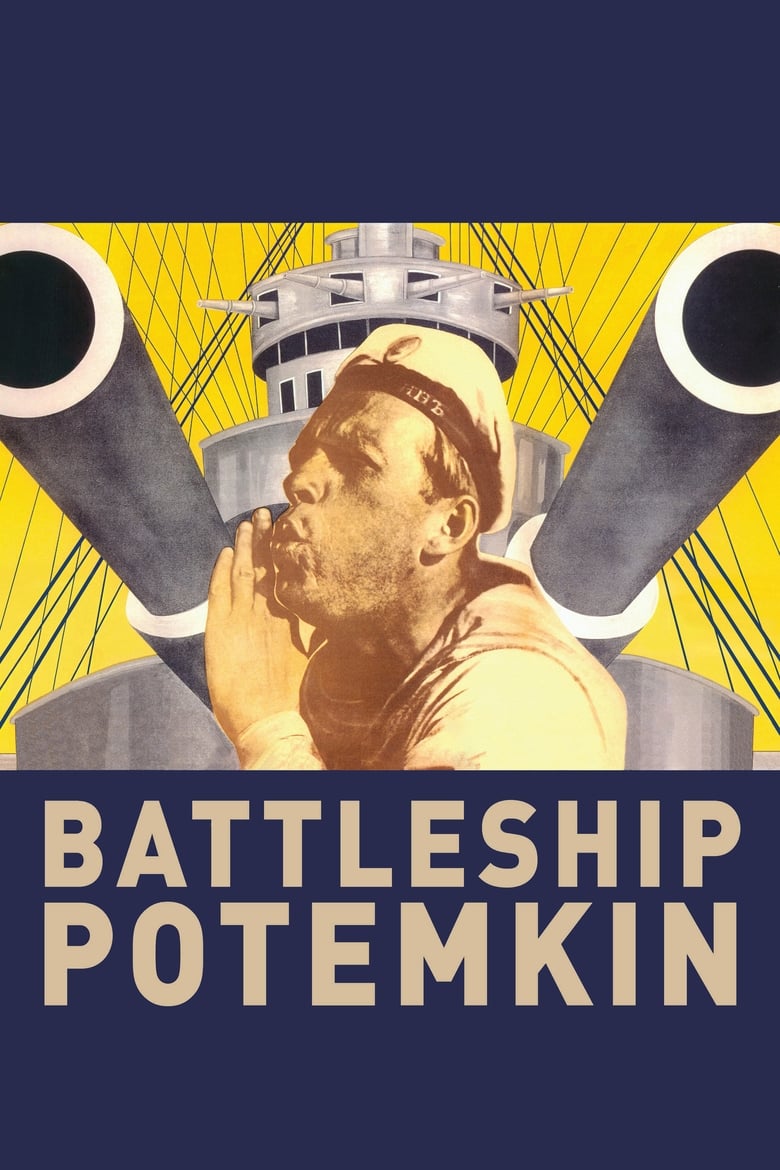
Present in the archive and positioned here as a direct visual route into Soviet Montage.
A defining work of Soviet Montage, included here as a canonical reference point.
A defining work of Soviet Montage, included here as a canonical reference point.
Present in the archive and positioned here as a direct visual route into Soviet Montage.
A defining work of Soviet Montage, included here as a canonical reference point.
Canon Directors
The strongest movements read more clearly when placed beside the filmmakers who crystallized them.
Cultural legacy
Montage theory became one of the foundational pillars of film language, influencing documentaries, music videos, political cinema, trailers, and every later understanding of editing as thought in motion.
