Historical frame
1895-1929
The formative decades in which cinema discovered scale, rhythm, gesture, and visual storytelling before synchronized dialogue became dominant.
Epoch Chapter
1895-1929
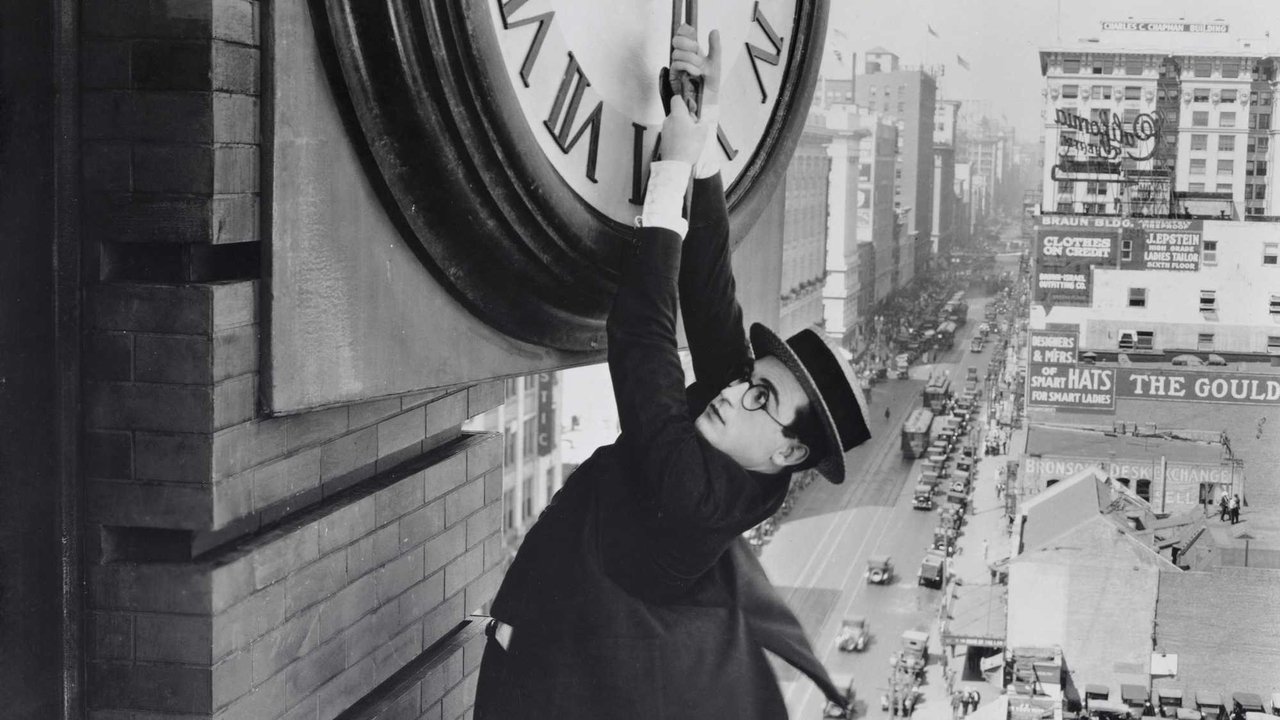
The silent era is less a primitive prehistory than the first great explosion of cinematic invention. Across comedy, melodrama, documentary impulse, and avant-garde experiment, filmmakers established editing grammar, screen performance, and visual rhythm as the central expressive tools of the medium.
Historical frame
The formative decades in which cinema discovered scale, rhythm, gesture, and visual storytelling before synchronized dialogue became dominant.
Canon directors
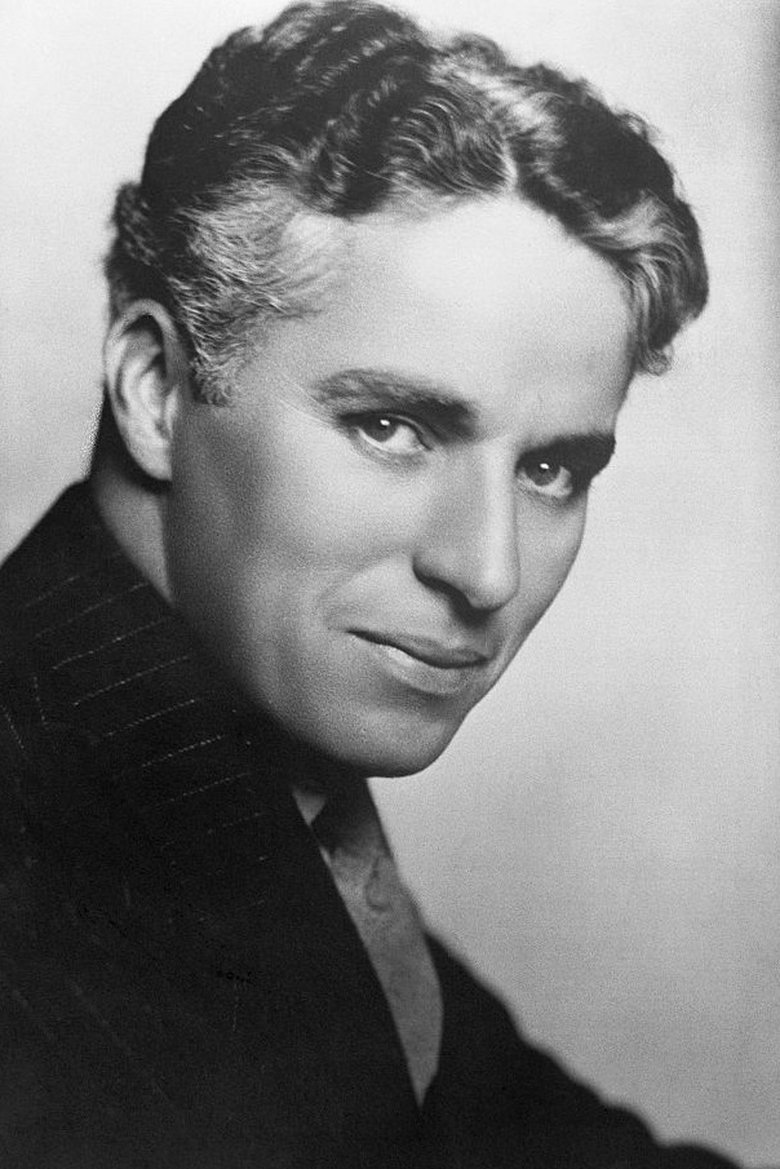
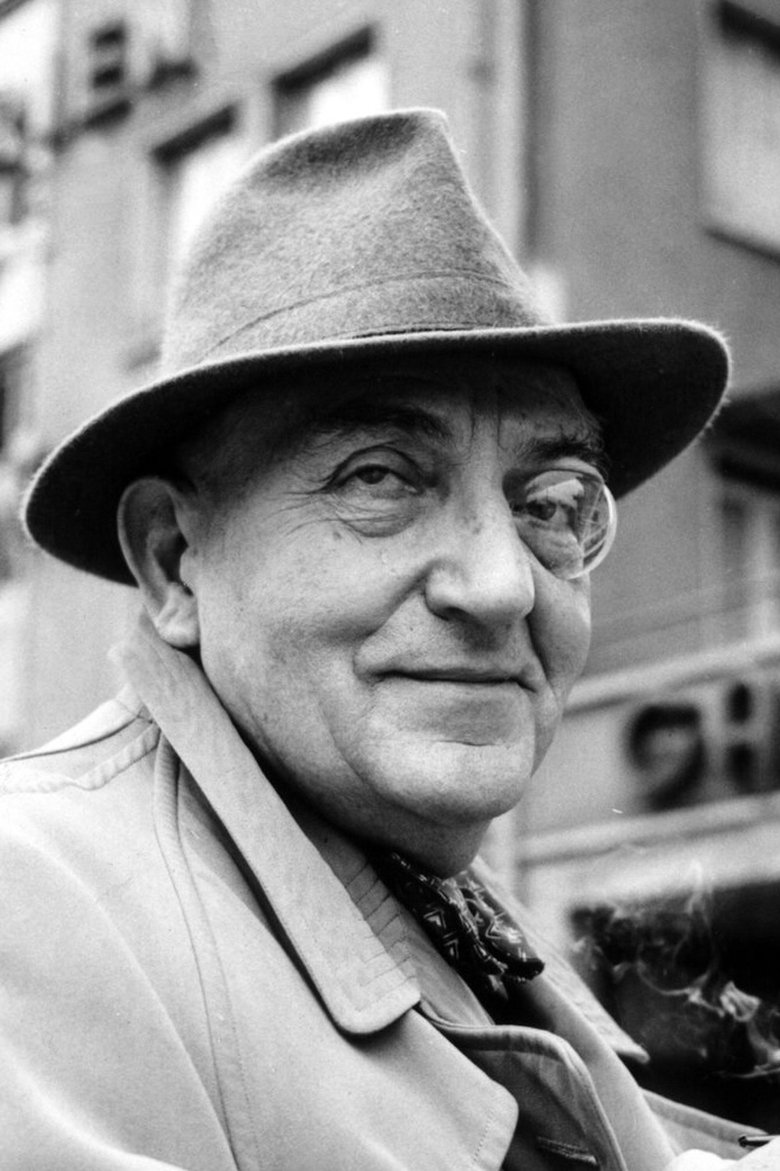
Charlie Chaplin, Carl Theodor Dreyer, Fritz Lang, Sergei Eisenstein
Featured works
Essential films foregrounded as visual entry points into the chapter.
Stylistic features
Key works
Featured Films
Each selection acts as an anchor point into the larger history of the movement. Archive links appear when a film already lives on the site.
Present in the archive and positioned here as a direct visual route into Silent Era.
A defining work of Silent Era, included here as a canonical reference point.
A defining work of Silent Era, included here as a canonical reference point.
A defining work of Silent Era, included here as a canonical reference point.
A defining work of Silent Era, included here as a canonical reference point.
Canon Directors
The strongest movements read more clearly when placed beside the filmmakers who crystallized them.
Cultural legacy
Silent cinema established the essential syntax of film while proving that images alone could sustain comedy, grandeur, intimacy, and metaphysical intensity. Its formal daring still underwrites modern montage, physical performance, and visual storytelling.