Historical frame
1967-1980
American cinema in a newly volatile state: auteur ambition, moral ambiguity, paranoia, and formal risk under studio pressure.
Epoch Chapter
1967-1980
New Hollywood emerged when the American studio system loosened just enough to let a new generation of filmmakers absorb European modernism, political disillusionment, youth culture, and genre revisionism. The result was a run of films more skeptical, violent, intimate, and formally adventurous than mainstream American cinema had previously permitted.

Historical frame
American cinema in a newly volatile state: auteur ambition, moral ambiguity, paranoia, and formal risk under studio pressure.
Canon directors
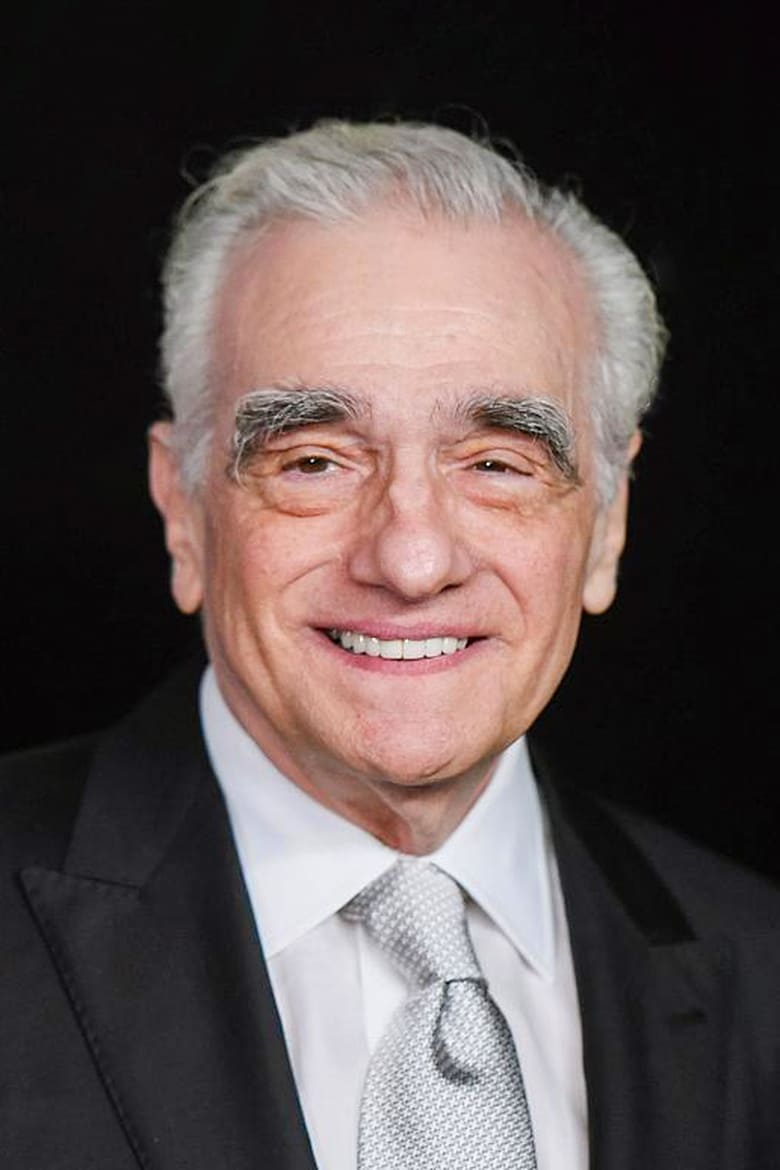
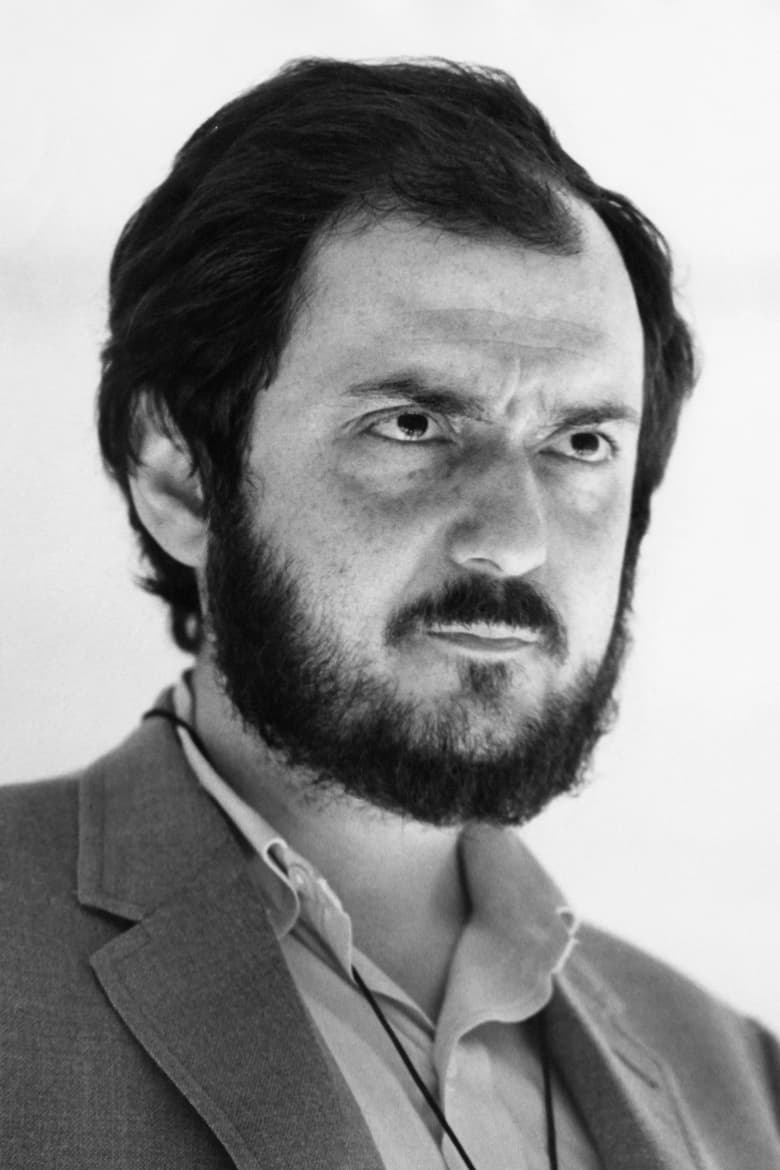
Martin Scorsese, Stanley Kubrick, John Cassavetes
Featured works
Essential films foregrounded as visual entry points into the chapter.
Stylistic features
Key works
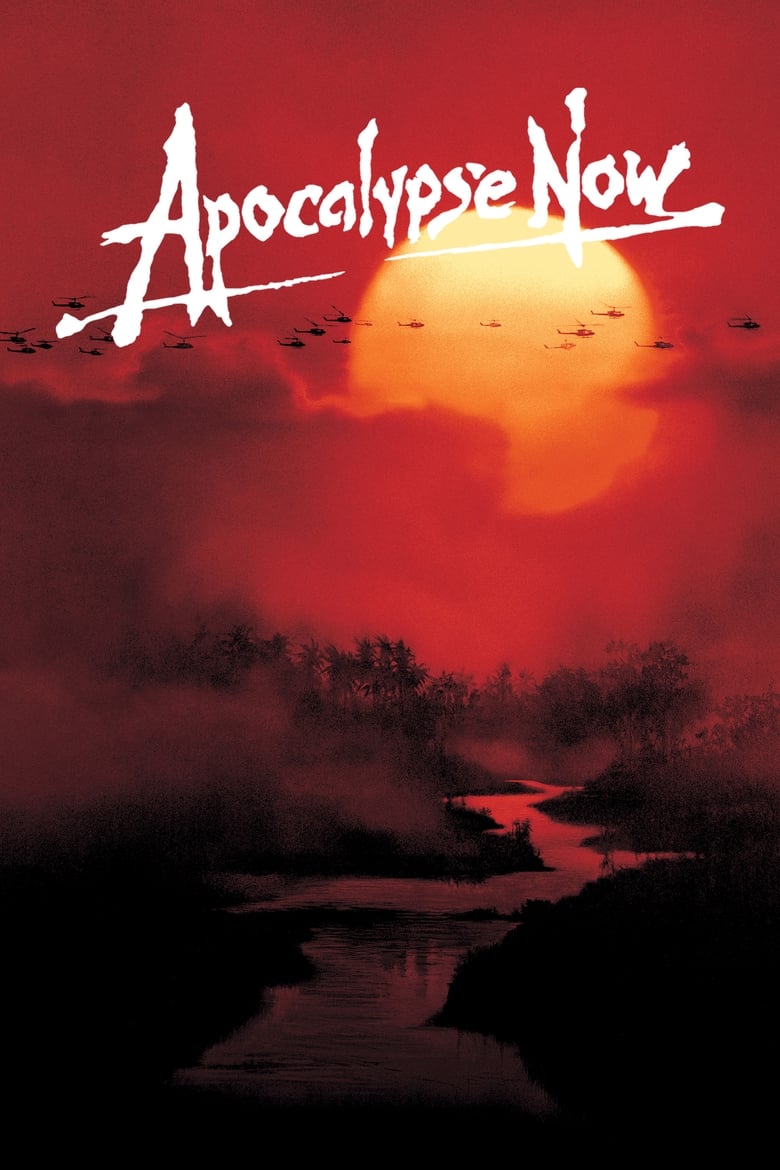
Featured Films
Each selection acts as an anchor point into the larger history of the movement. Archive links appear when a film already lives on the site.
A defining work of New Hollywood, included here as a canonical reference point.
A defining work of New Hollywood, included here as a canonical reference point.
Present in the archive and positioned here as a direct visual route into New Hollywood.
A defining work of New Hollywood, included here as a canonical reference point.
Present in the archive and positioned here as a direct visual route into New Hollywood.
Canon Directors
The strongest movements read more clearly when placed beside the filmmakers who crystallized them.
Cultural legacy
New Hollywood permanently changed the status of the director in American cinema and widened the expressive range of mainstream filmmaking. Its influence remains visible in prestige filmmaking and every later return of the American auteur.