Historical frame
1943-1954
A postwar cinema of streets, labor, fragility, and moral gravity that brought ordinary life back to the center of the frame.
Epoch Chapter
1943-1954
Italian Neorealism emerged from wartime devastation and postwar uncertainty with a new ethic of attention. Working with nonprofessional actors, lived-in locations, and stories of scarcity, it replaced glamour with human vulnerability and transformed realism into one of cinema's defining moral forms.
Historical frame
A postwar cinema of streets, labor, fragility, and moral gravity that brought ordinary life back to the center of the frame.
Canon directors
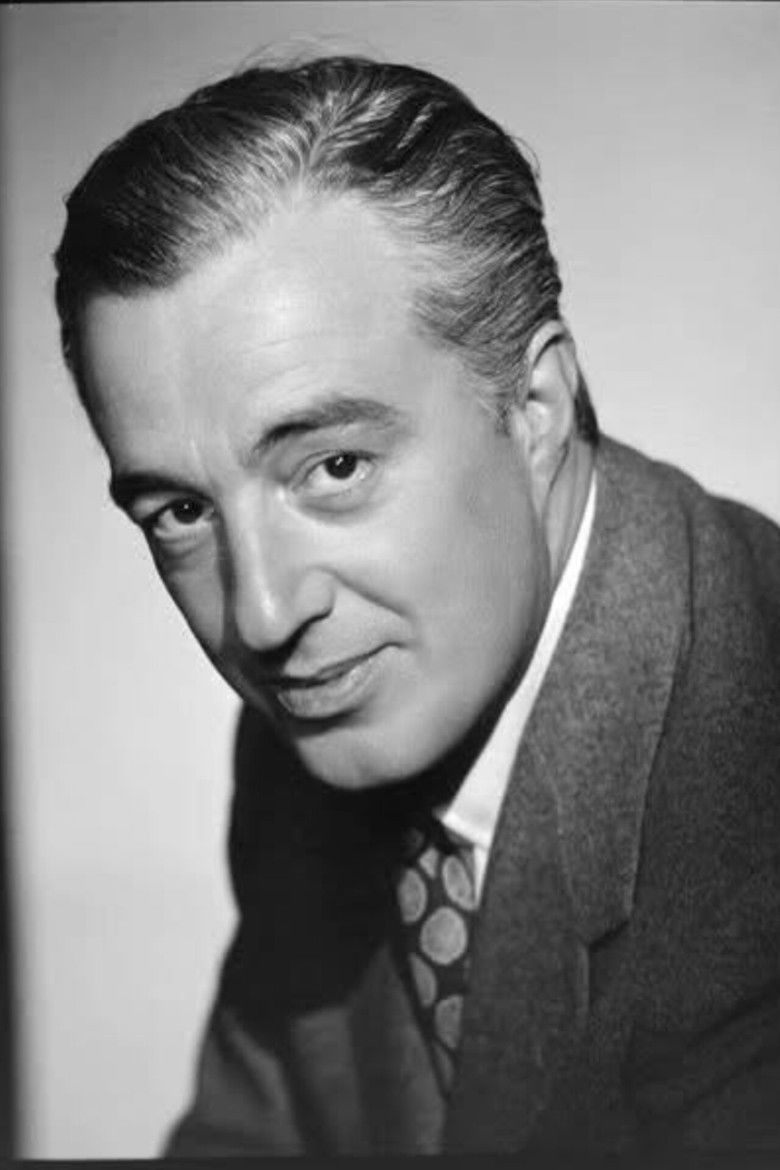
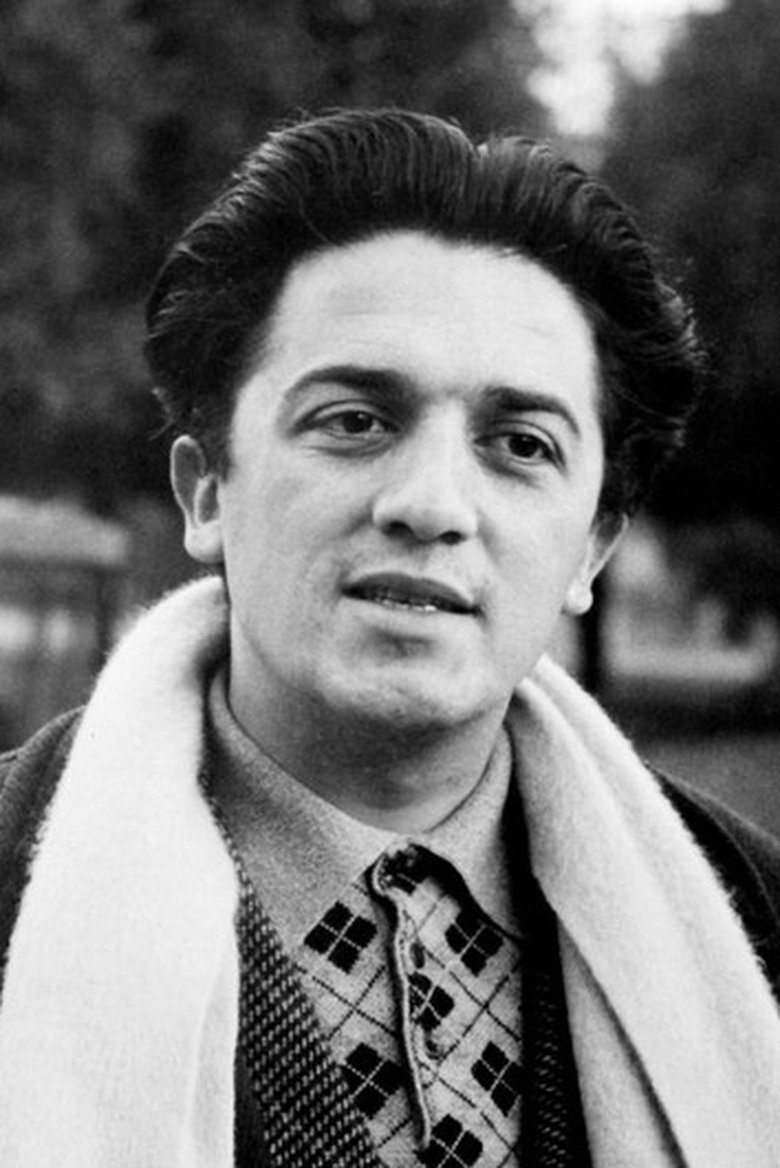
Vittorio De Sica, Roberto Rossellini, Federico Fellini
Featured works
Essential films foregrounded as visual entry points into the chapter.
Stylistic features
Key works
Featured Films
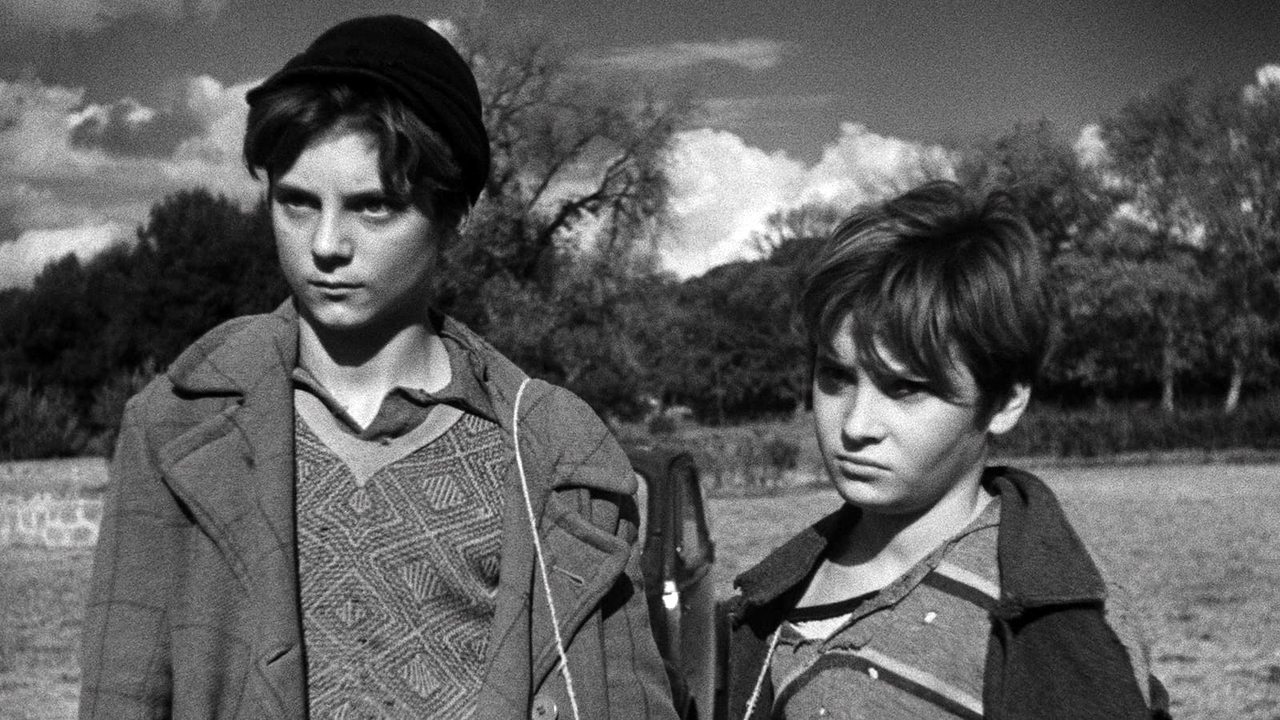
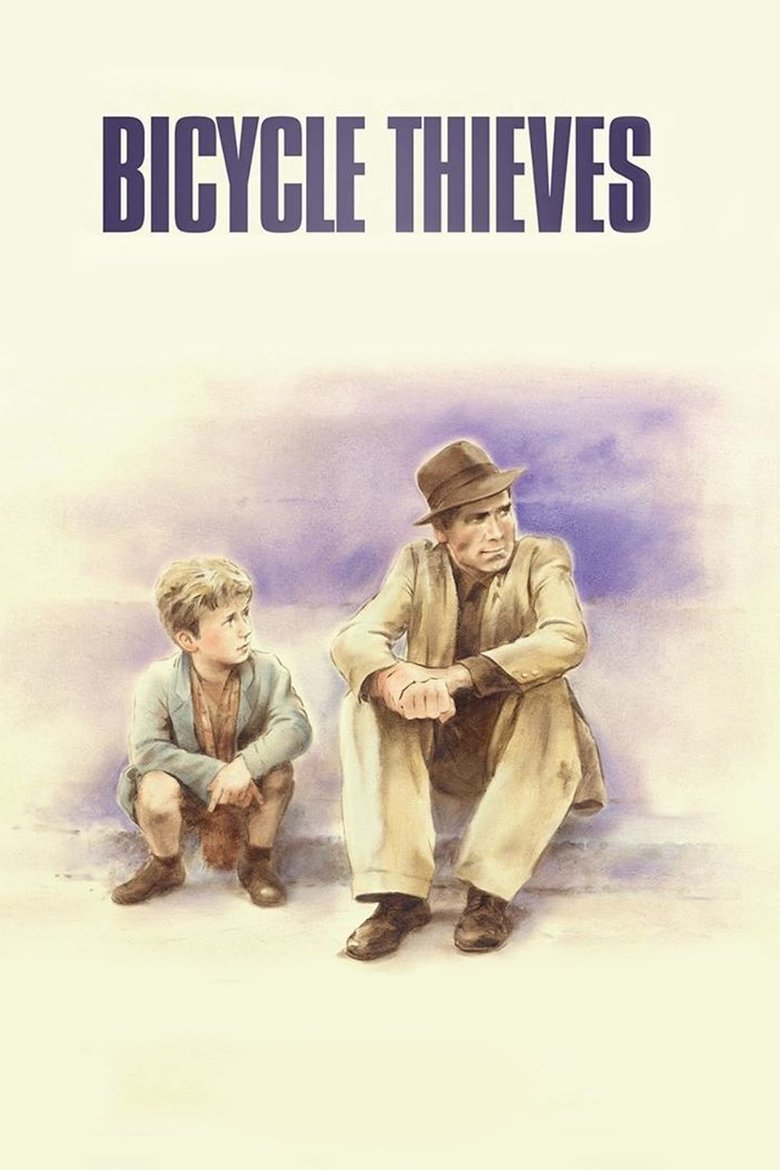
Each selection acts as an anchor point into the larger history of the movement. Archive links appear when a film already lives on the site.
A defining work of Italian Neorealism, included here as a canonical reference point.
A defining work of Italian Neorealism, included here as a canonical reference point.
Present in the archive and positioned here as a direct visual route into Italian Neorealism.
Present in the archive and positioned here as a direct visual route into Italian Neorealism.
A defining work of Italian Neorealism, included here as a canonical reference point.
Canon Directors
The strongest movements read more clearly when placed beside the filmmakers who crystallized them.
Cultural legacy
Neorealism changed world cinema's relation to poverty, childhood, labor, and social observation. Its humanist pressure can be felt from Satyajit Ray to the Dardenne brothers and beyond.