Historical frame
1919-1931
A cinema of shadows, distorted spaces, and psychological dread that turned mise-en-scene into a language of interior states.
Epoch Chapter
1919-1931
German Expressionism transformed sets, light, costume, and architectural distortion into carriers of psychic tension. Emerging from Weimar instability, it gave world cinema one of its most enduring visual vocabularies: nightmare streets, elongated shadows, and stylized worlds where fear becomes spatial form.
Historical frame
A cinema of shadows, distorted spaces, and psychological dread that turned mise-en-scene into a language of interior states.
Canon directors
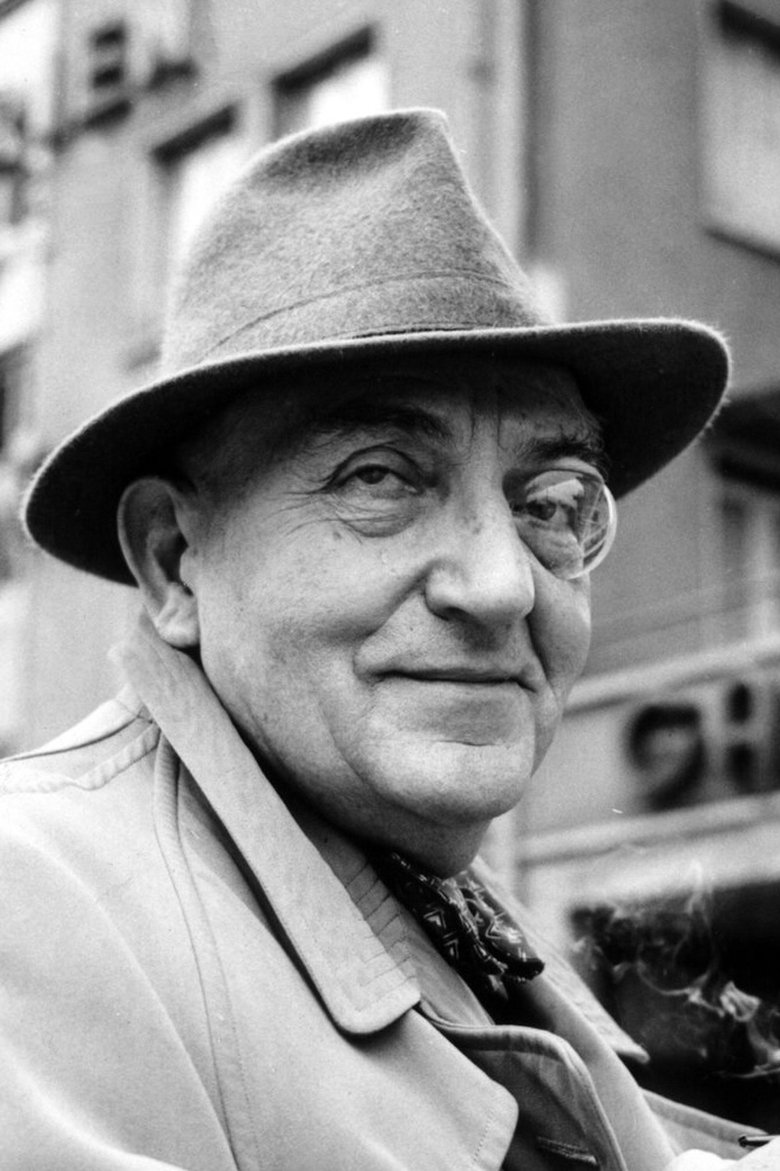
Fritz Lang
Featured works
Essential films foregrounded as visual entry points into the chapter.
Stylistic features
Key works
Featured Films
Each selection acts as an anchor point into the larger history of the movement. Archive links appear when a film already lives on the site.
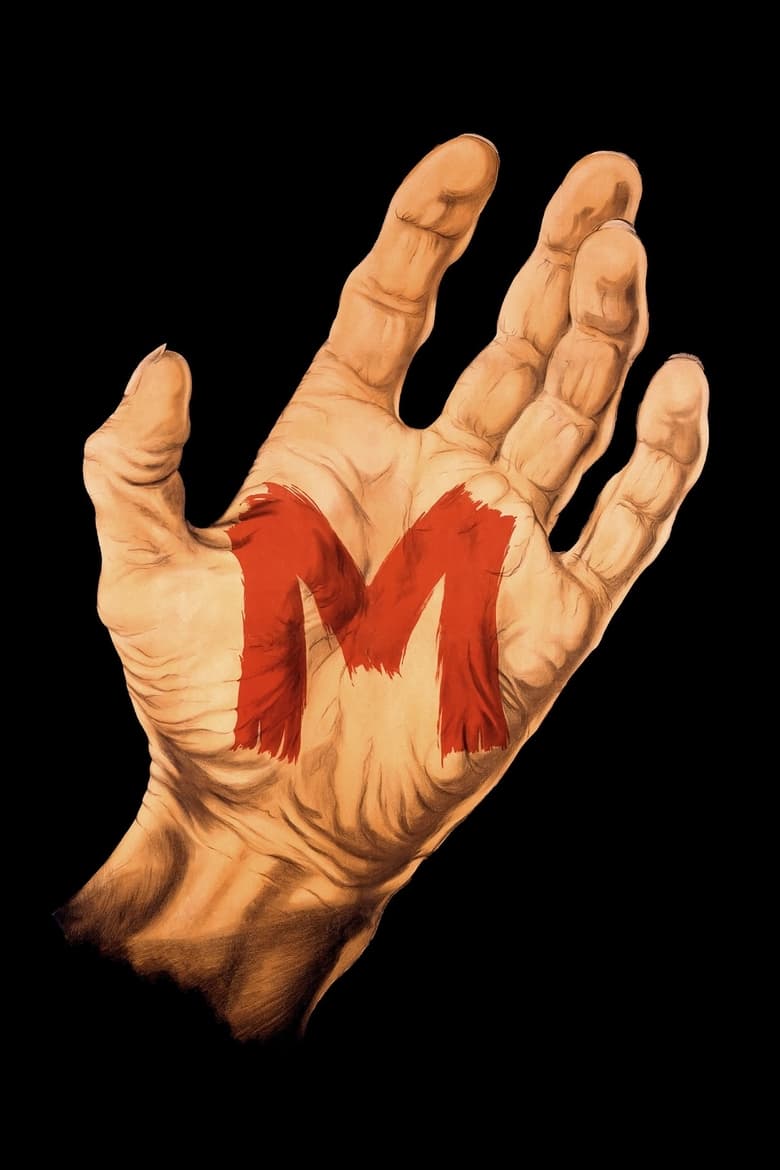
Present in the archive and positioned here as a direct visual route into German Expressionism.
A defining work of German Expressionism, included here as a canonical reference point.
A defining work of German Expressionism, included here as a canonical reference point.
A defining work of German Expressionism, included here as a canonical reference point.
A defining work of German Expressionism, included here as a canonical reference point.
Canon Directors
The strongest movements read more clearly when placed beside the filmmakers who crystallized them.
Cultural legacy
Expressionist design fed directly into horror cinema, film noir, political allegory, and modernist art direction. Its images remain a permanent reminder that cinema can turn mood into architecture.