Historical frame
1958-1967
A new cinephile modernity of street-level freedom, restless form, and authorial self-awareness that reoriented postwar cinema.
Epoch Chapter
1958-1967
The French New Wave broke open inherited grammar with portable cameras, jump cuts, direct address, autobiographical texture, and an unprecedented confidence in personal style. It was at once a critical movement, a production revolution, and a declaration that film history itself could become raw material for new creation.
Historical frame
A new cinephile modernity of street-level freedom, restless form, and authorial self-awareness that reoriented postwar cinema.
Canon directors
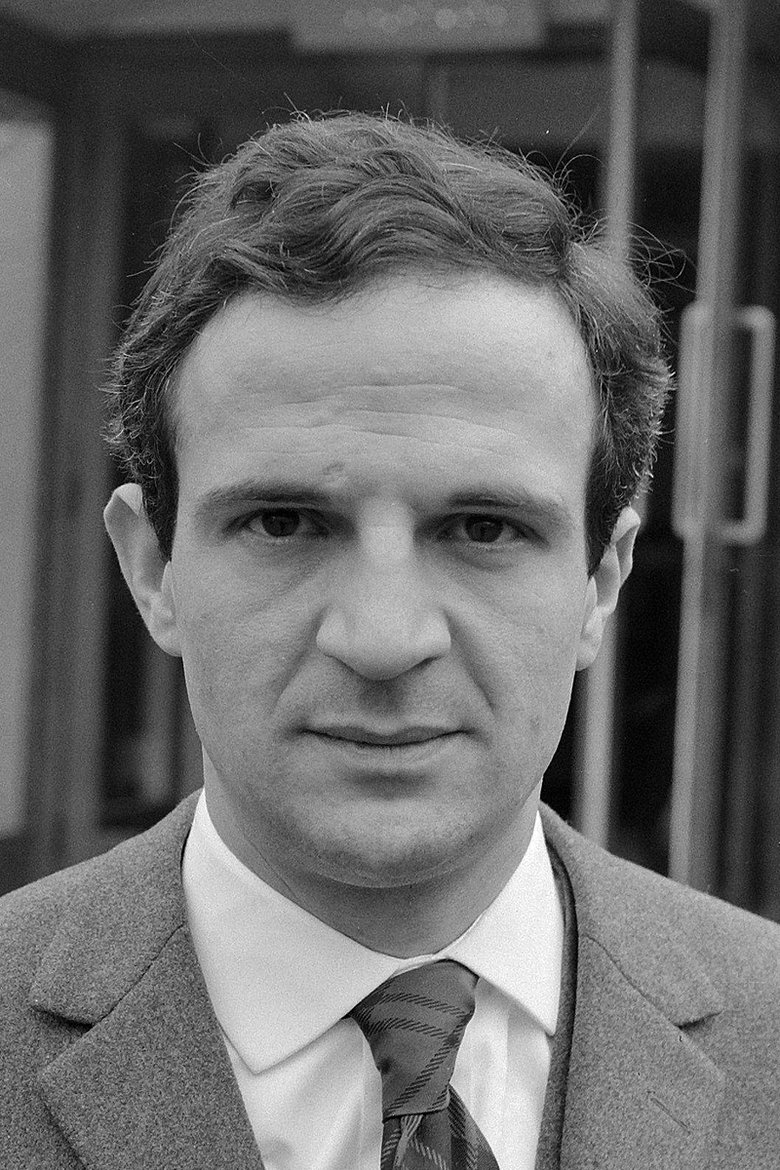
François Truffaut, Jean-Luc Godard, Agnès Varda
Featured works
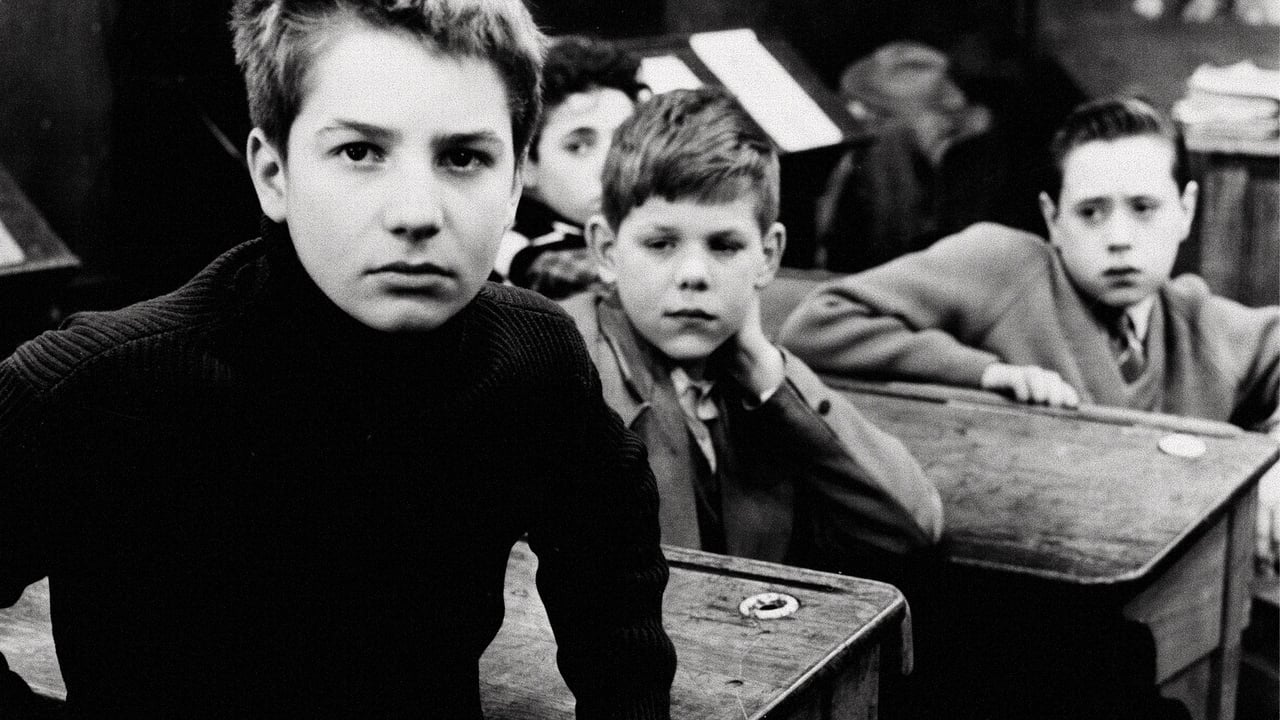
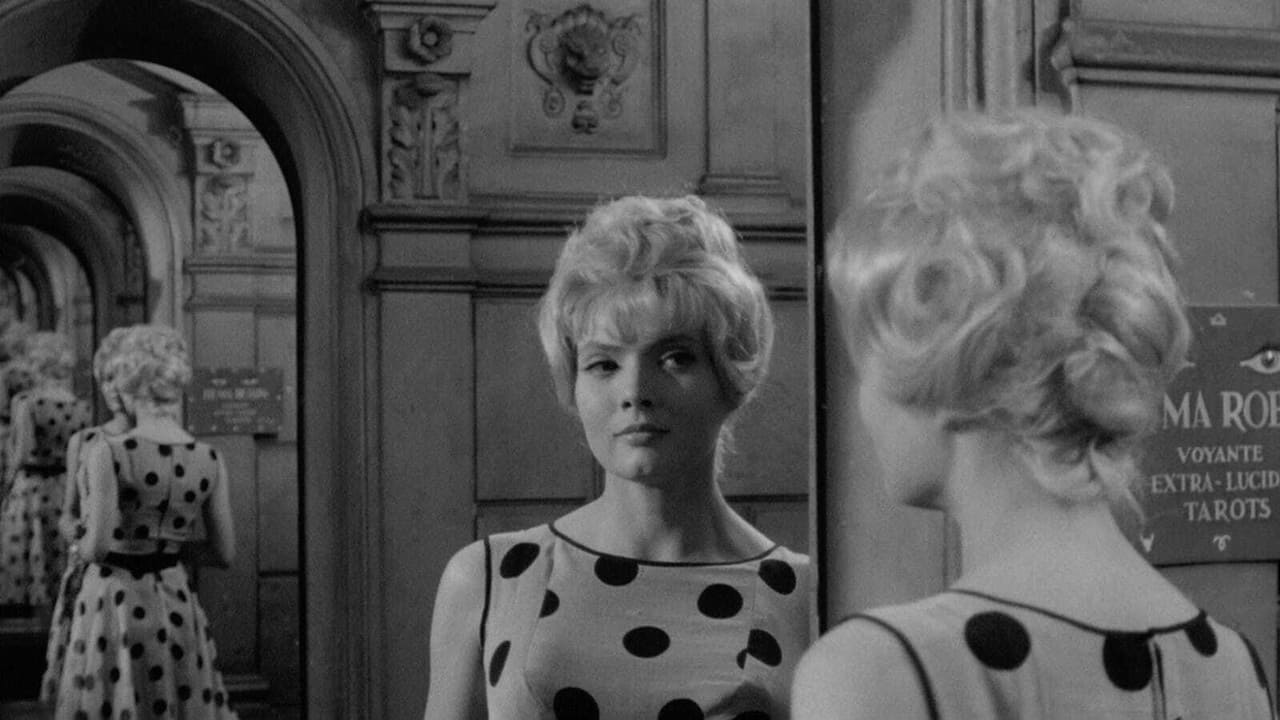
Essential films foregrounded as visual entry points into the chapter.
Stylistic features
Key works
Featured Films
Each selection acts as an anchor point into the larger history of the movement. Archive links appear when a film already lives on the site.
Present in the archive and positioned here as a direct visual route into French New Wave.
A defining work of French New Wave, included here as a canonical reference point.
Present in the archive and positioned here as a direct visual route into French New Wave.
A defining work of French New Wave, included here as a canonical reference point.
A defining work of French New Wave, included here as a canonical reference point.
Canon Directors
The strongest movements read more clearly when placed beside the filmmakers who crystallized them.
Cultural legacy
No movement did more to secure the modern idea of the auteur. The New Wave changed criticism, production culture, editing rhythm, and the very image of cinema as youthful artistic rebellion.