Historical frame
1950-1985
Modern cinema at its most introspective: ambiguity, spiritual inquiry, fractured time, and exacting formal authorship.
Epoch Chapter
1950-1985
European art cinema made doubt, duration, memory, and metaphysical pressure central to the medium. Rather than organizing experience around plot resolution, it opened film toward interiority, ambiguity, and a more searching relation between image, sound, time, and thought.
Historical frame
Modern cinema at its most introspective: ambiguity, spiritual inquiry, fractured time, and exacting formal authorship.
Canon directors
Ingmar Bergman, Federico Fellini, Andrei Tarkovsky, Robert Bresson, Michelangelo Antonioni, Luis Buñuel
Featured works
Essential films foregrounded as visual entry points into the chapter.
Stylistic features
Key works
Featured Films
Each selection acts as an anchor point into the larger history of the movement. Archive links appear when a film already lives on the site.
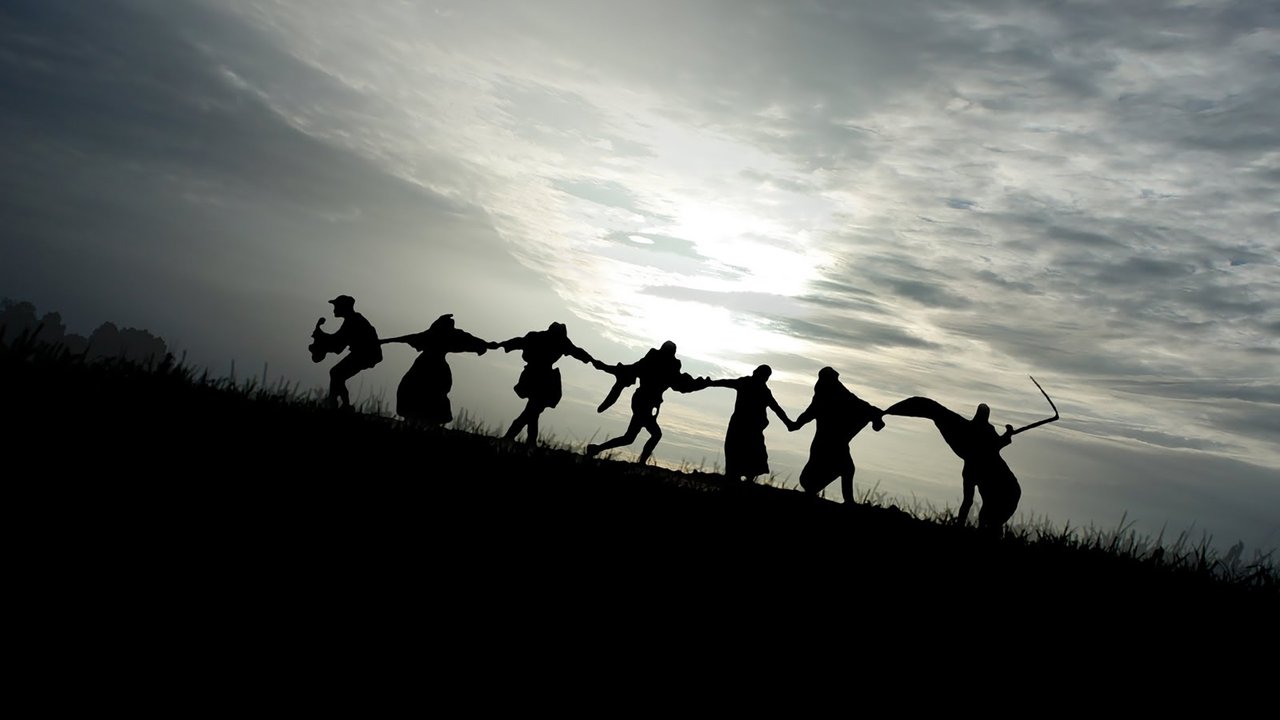
Present in the archive and positioned here as a direct visual route into European Art Cinema.
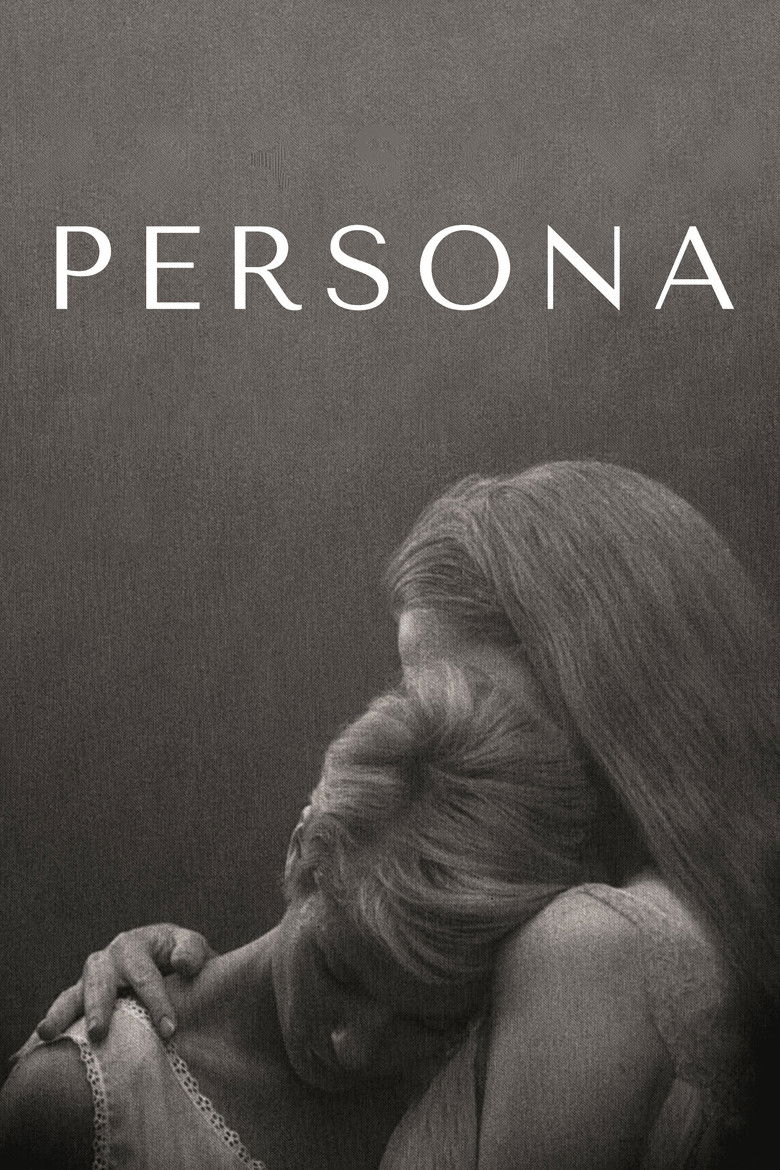
A defining work of European Art Cinema, included here as a canonical reference point.
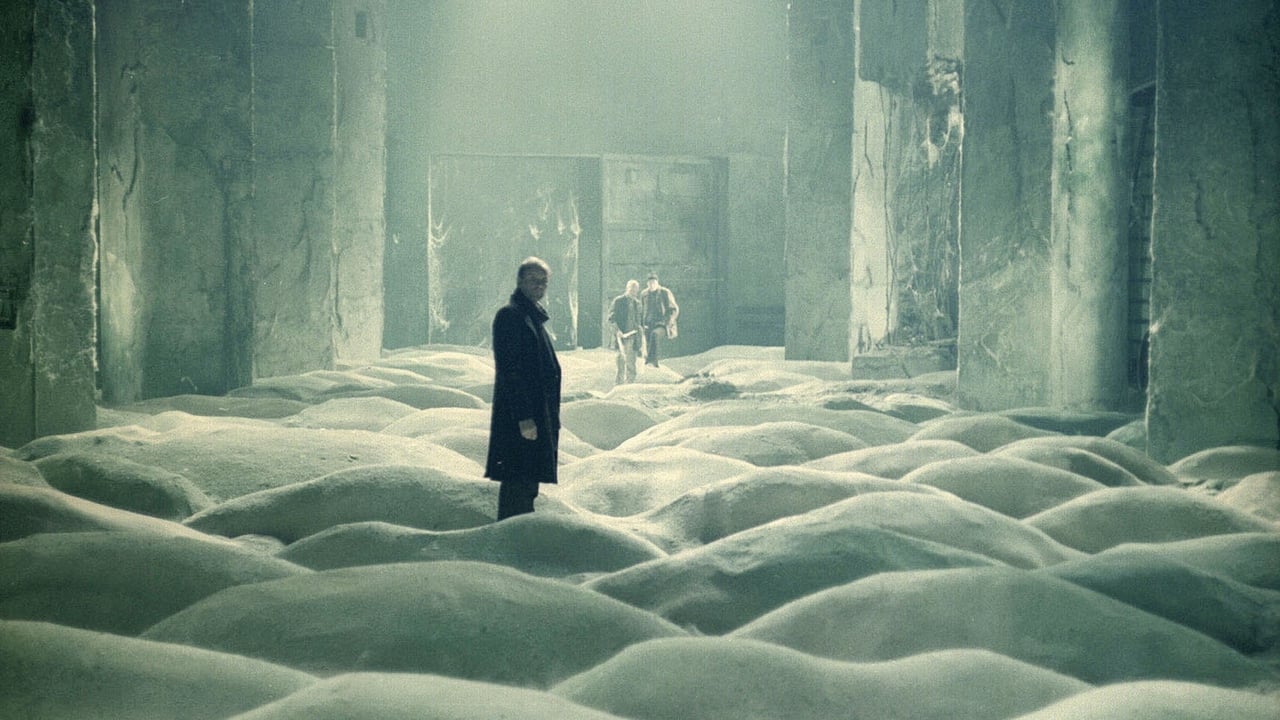
Present in the archive and positioned here as a direct visual route into European Art Cinema.
A defining work of European Art Cinema, included here as a canonical reference point.
Present in the archive and positioned here as a direct visual route into European Art Cinema.
Canon Directors
The strongest movements read more clearly when placed beside the filmmakers who crystallized them.

Faith, silence, and emotional fragility.
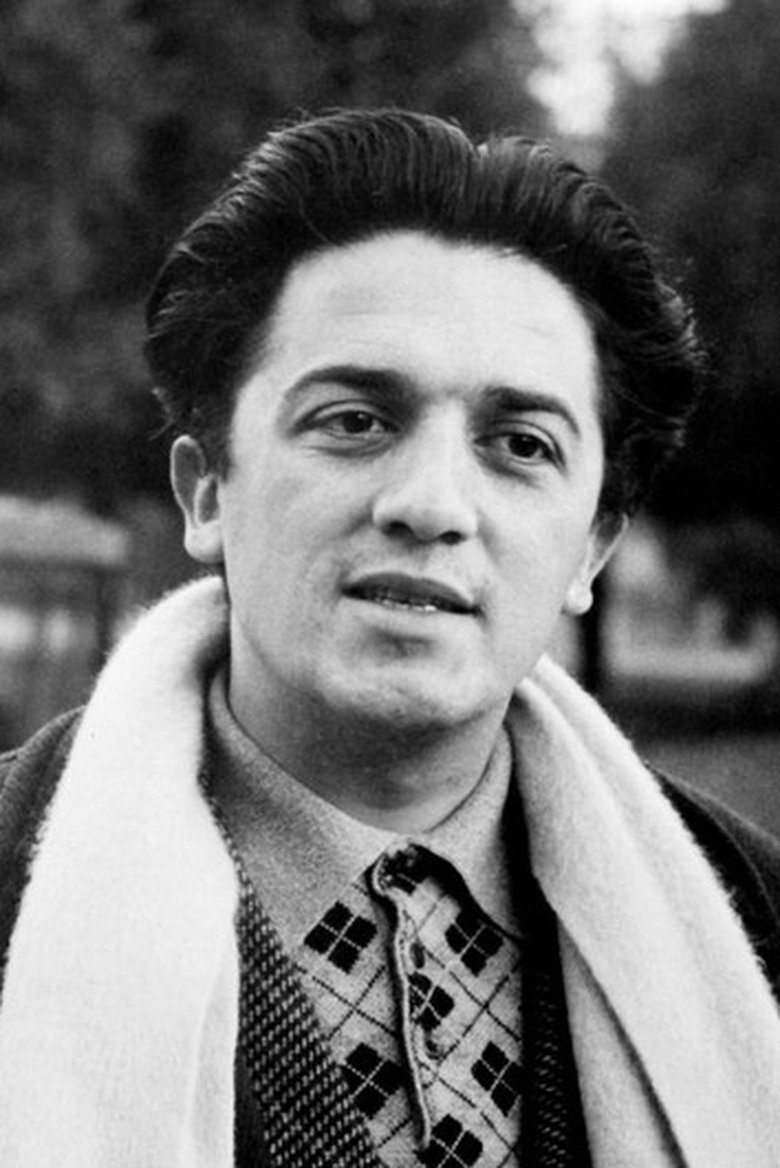
Memory, spectacle, and personal mythology.

Time, memory, and spiritual pressure.

Spiritual rigor, austerity, and grace under pressure.

Alienation, architecture, and modern emptiness.

Surreal provocation and anti-bourgeois wit.
Cultural legacy
Art cinema redefined the prestige and possibility of the medium, shaping festivals, criticism, and the world-cinema canon. Its afterlife persists wherever film seeks reflection rather than immediate resolution.