Historical frame
1948-1963
A period of compositional exactitude, moral gravity, and extraordinary control in which Japanese cinema attained global canonical stature.
Epoch Chapter
1948-1963
Postwar Japanese cinema brought together formal discipline and emotional depth with remarkable consistency. Across domestic drama, historical epic, and tragic humanism, it produced films of moral complexity and visual poise whose influence spread quickly across world cinephilia.
Historical frame
A period of compositional exactitude, moral gravity, and extraordinary control in which Japanese cinema attained global canonical stature.
Canon directors
Akira Kurosawa, Yasujirō Ozu
Featured works
Essential films foregrounded as visual entry points into the chapter.
Stylistic features
Key works
Featured Films
Each selection acts as an anchor point into the larger history of the movement. Archive links appear when a film already lives on the site.
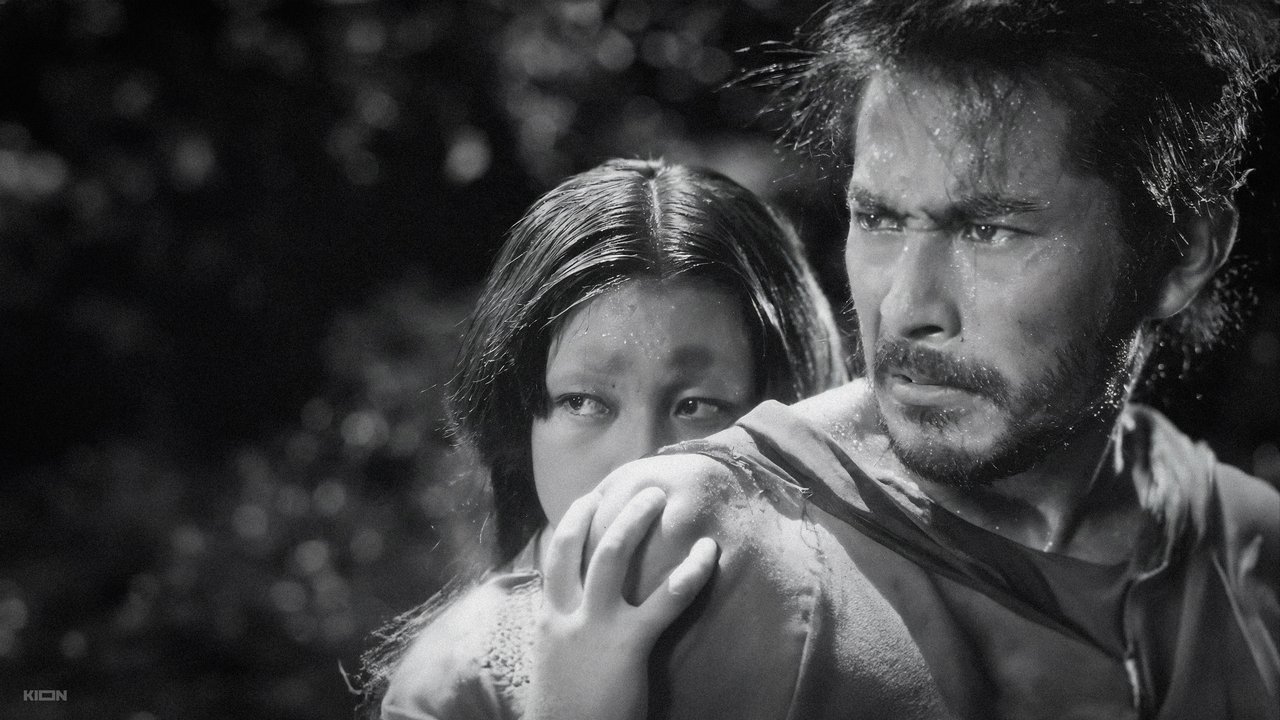
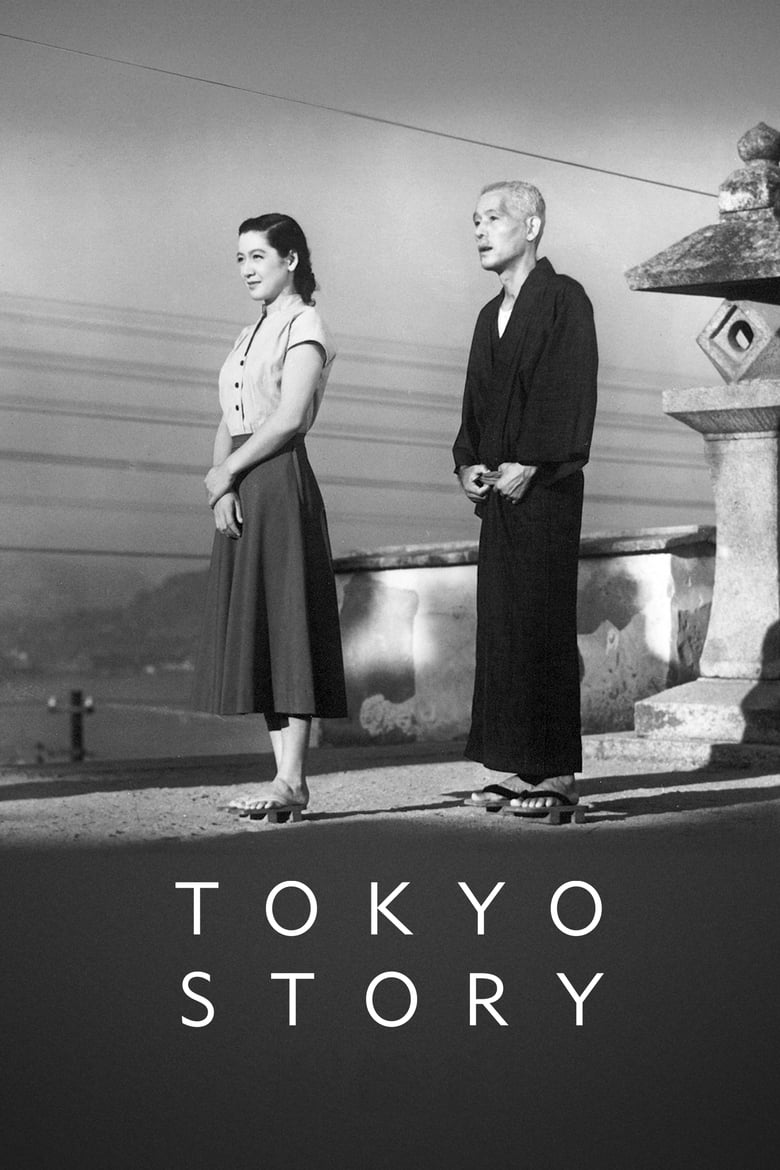
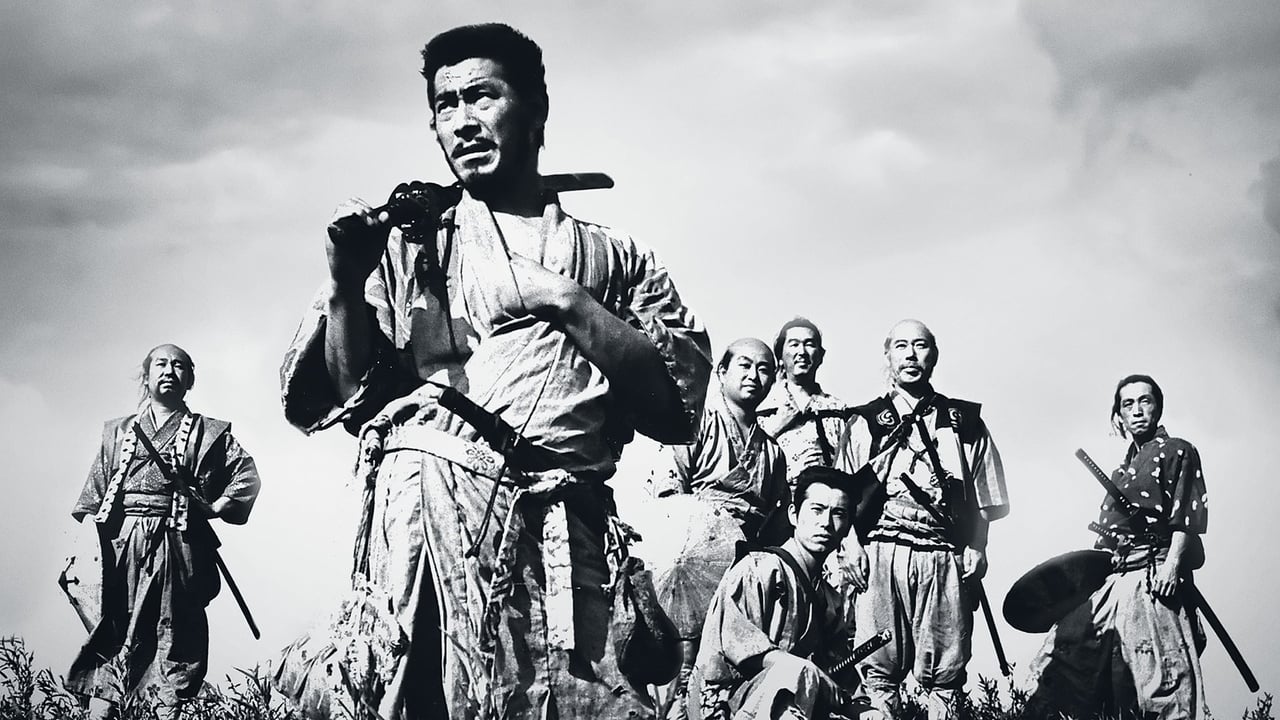
Present in the archive and positioned here as a direct visual route into Classical Japanese Cinema.
Present in the archive and positioned here as a direct visual route into Classical Japanese Cinema.
A defining work of Classical Japanese Cinema, included here as a canonical reference point.
Present in the archive and positioned here as a direct visual route into Classical Japanese Cinema.
A defining work of Classical Japanese Cinema, included here as a canonical reference point.
Canon Directors
The strongest movements read more clearly when placed beside the filmmakers who crystallized them.
Cultural legacy
The international recognition of Japanese cinema reshaped the canon itself, making Kurosawa and Ozu central reference points for filmmaking, criticism, and global art cinema.

