Historical frame
1927-1960
The studio era at its most fluent: narrative clarity, star presence, genre architecture, and visual elegance at industrial scale.
Epoch Chapter
1927-1960
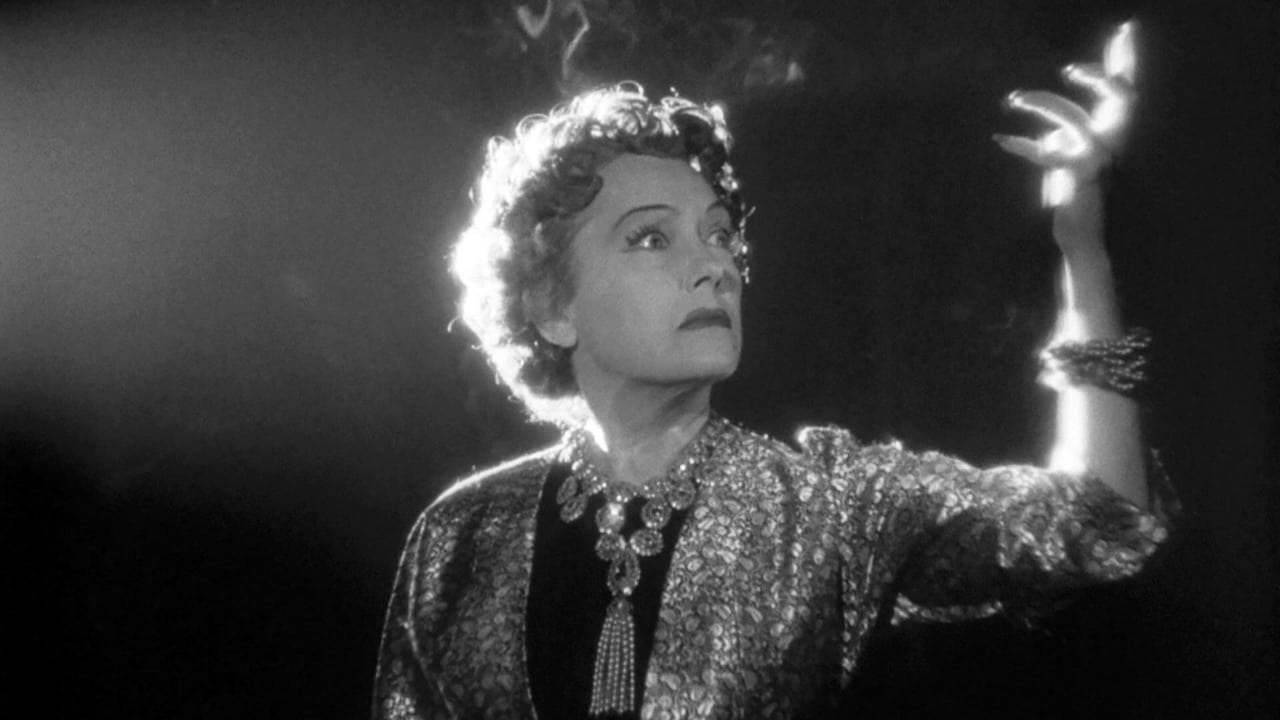
Classical Hollywood refined storytelling into an art of clarity, propulsion, and tonal control. Built through the studio system yet shaped by exceptional directors, writers, performers, and craftspeople, it remains the benchmark for how cinema can feel effortless while operating with extraordinary precision.


Historical frame
The studio era at its most fluent: narrative clarity, star presence, genre architecture, and visual elegance at industrial scale.
Canon directors
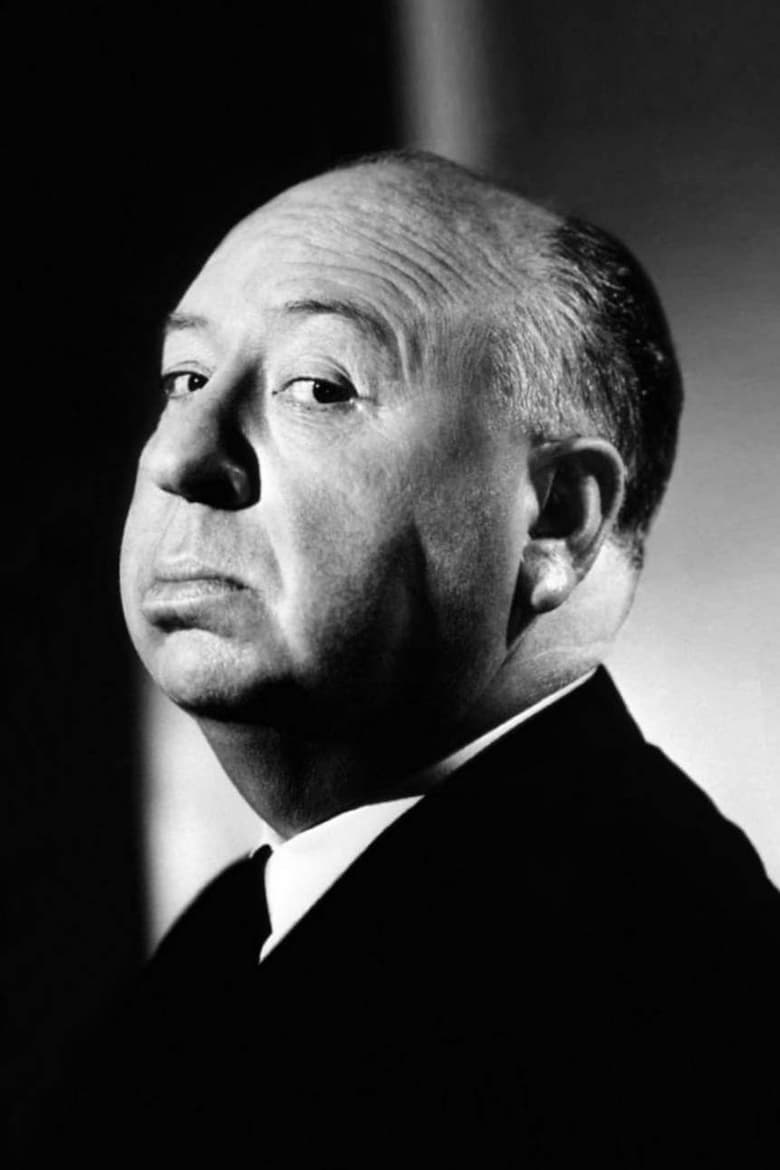
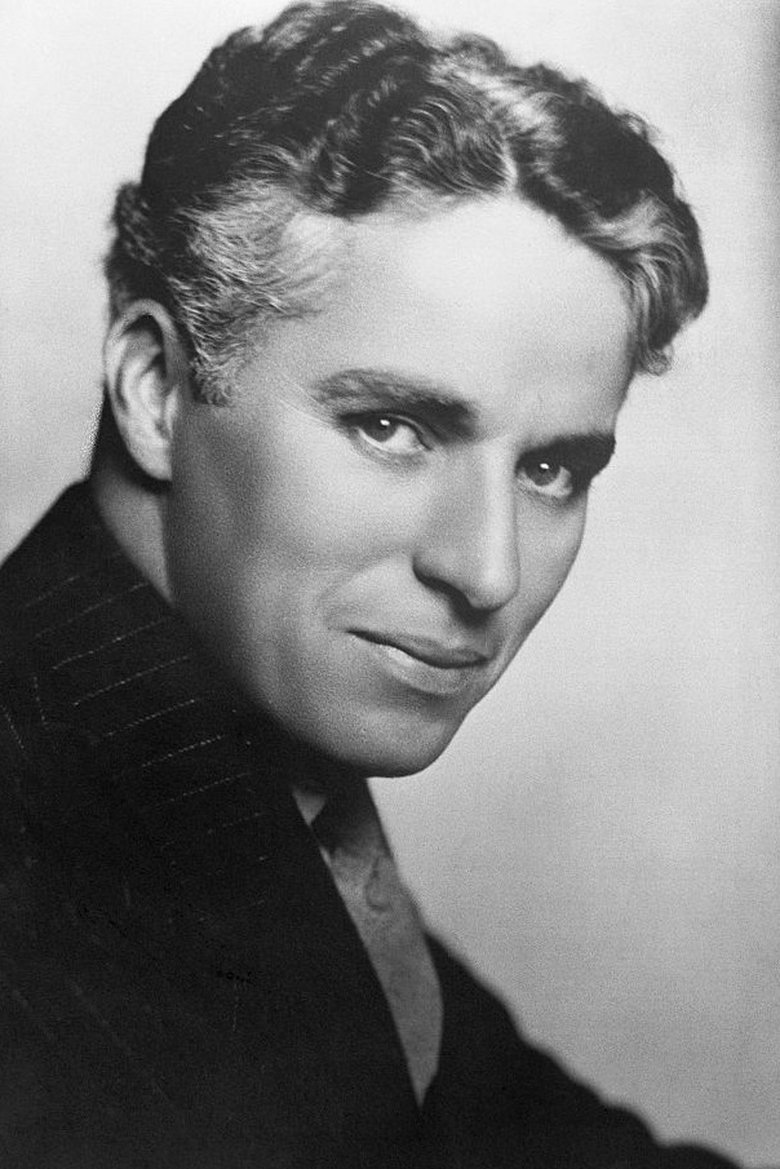
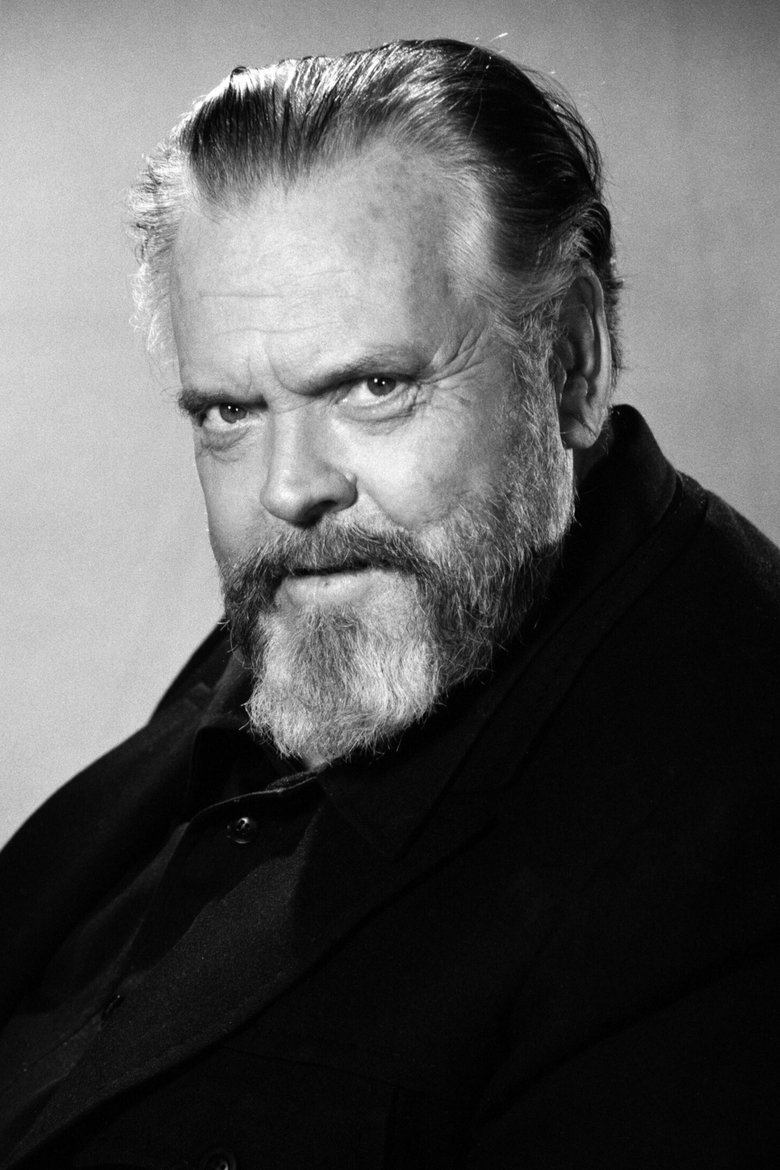
Alfred Hitchcock, Billy Wilder, Charlie Chaplin, Orson Welles
Featured works
Essential films foregrounded as visual entry points into the chapter.
Stylistic features
Key works
Featured Films
Each selection acts as an anchor point into the larger history of the movement. Archive links appear when a film already lives on the site.
A defining work of Classical Hollywood, included here as a canonical reference point.
Present in the archive and positioned here as a direct visual route into Classical Hollywood.
Present in the archive and positioned here as a direct visual route into Classical Hollywood.
Present in the archive and positioned here as a direct visual route into Classical Hollywood.
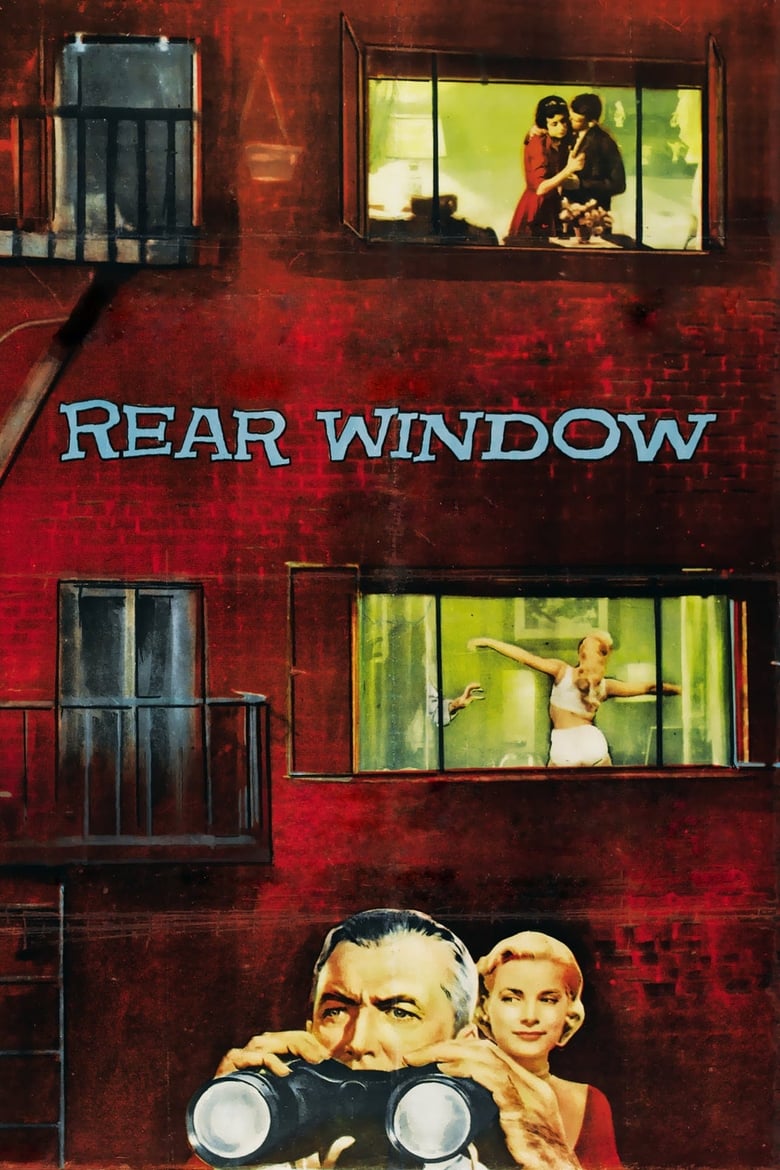
Present in the archive and positioned here as a direct visual route into Classical Hollywood.
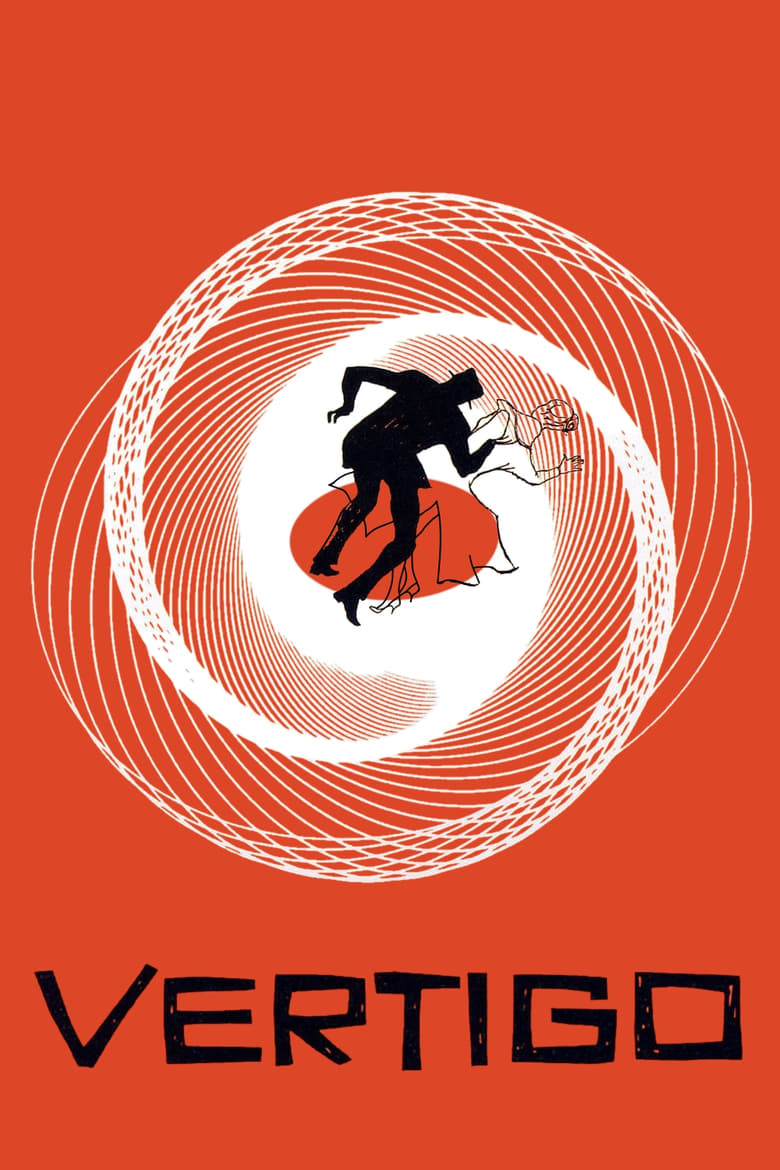
Present in the archive and positioned here as a direct visual route into Classical Hollywood.
Canon Directors
The strongest movements read more clearly when placed beside the filmmakers who crystallized them.
Cultural legacy
The classical model remains a permanent reference point for pacing, dramaturgy, star construction, and cinematic readability. Even films that reject it tend to define themselves in relation to it.